⚙️ Gear Ratio & Speed Calculator (Complete Practical Guide)
If you're searching for a gear ratio speed calculator, trying to calculate gear speed from RPM, or looking for a bicycle gear ratio calculator, you are essentially trying to answer one question: “How fast will my vehicle go with this setup?”
Whether it’s a car, a bike, an industrial gearbox, or a sprocket system—gear ratios control the delicate balance between speed and torque. This guide explains it clearly, with real automotive formulas, examples, and practical understanding.
🔍 What is Gear Ratio?
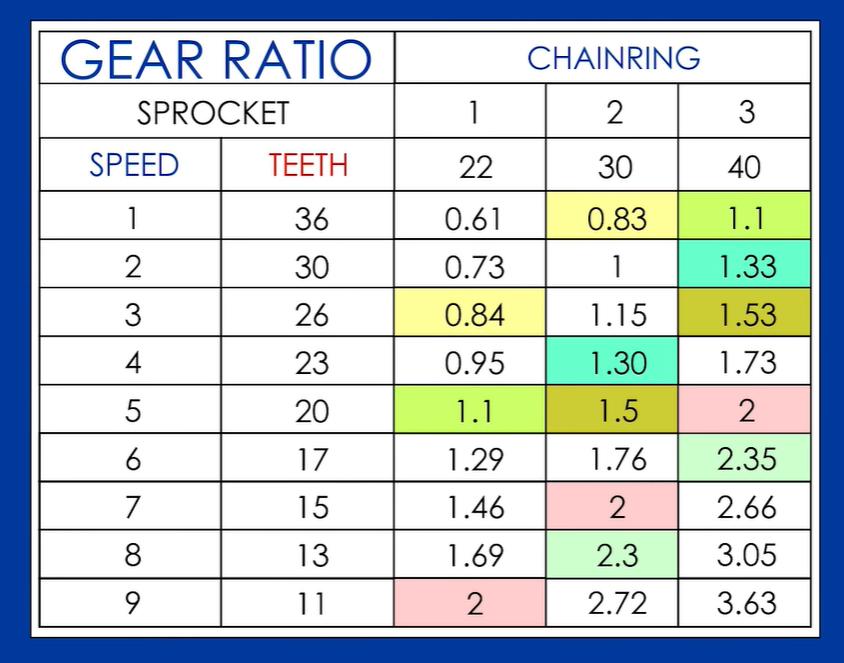
A gear ratio is the relationship between two gears—specifically, how many times one gear turns compared to another. It is calculated by dividing the number of teeth on the driven gear by the number of teeth on the driving gear.
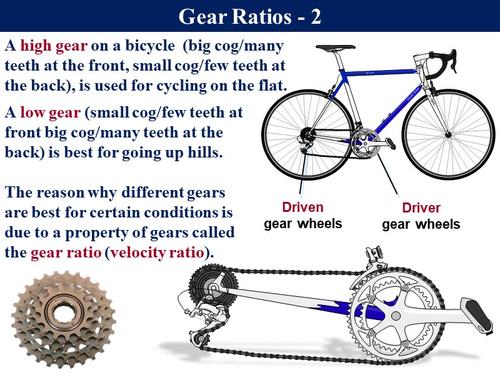
- Small gear driving a big gear → Creates more torque, but less speed.
- Big gear driving a small gear → Creates more speed, but less torque.
| Gear Ratio | Speed Output | Torque Output |
|---|---|---|
| High (e.g., 4:1) | Low | High |
| Medium (e.g., 3:1) | Balanced | Balanced |
| Low (e.g., 2:1) | High | Low |
🧮 The Gear Ratio & Speed Formulas
Our online gear ratio calculator uses strict mathematical constants recognized by engineers to calculate your exact speed. Here are the core formulas:
1. Calculating Gear Ratio (Teeth)
$$\text{Gear Ratio} = \frac{\text{Driven Gear Teeth}}{\text{Driving Gear Teeth}}$$
2. Speedometer Equation (Automotive MPH)
$$\text{Speed} = \frac{\text{RPM} \times \text{Tire Diameter}}{\text{Gear Ratio} \times 336}$$
3. Gearbox Ratio Calculator RPM
$$\text{Output RPM} = \frac{\text{Input RPM}}{\text{Gear Ratio}}$$
📌 Calculate Speed from RPM (Example)
Given: RPM = 3000 | Tire Diameter = 26" | Gear Ratio = 3.5
Speed = (3000 × 26) / (3.5 × 336)
Speed ≈ 66 mph
⚙️ Using a Transmission Gear Ratios Calculator
A common use for this tool is dialing in a transmission gear ratios calculator when performing manual swaps (like installing a Tremec). Every gear in your transmission has its own ratio:
| Gear | Typical Ratio | Purpose |
|---|---|---|
| 1st Gear | 3.50 : 1 | Maximum torque for moving from a dead stop. |
| 2nd Gear | 2.10 : 1 | High acceleration. |
| 3rd Gear | 1.40 : 1 | Mid-range city cruising. |
| 4th Gear | 1.00 : 1 | Direct drive. Engine spins at same speed as driveshaft. |
| 5th Gear | 0.80 : 1 | Overdrive. High speed, lowest RPM, best Fuel Efficiency. |
🔄 Rear Gear Calculator (Final Drive)
To get your vehicle's total reduction, the final drive ratio (rear axle) multiplies the gearbox ratio. For example, if your transmission is in 4th gear (1.00) and your rear differential is 3.50, your total ratio is exactly 3.50.
📏 The Tire Diameter Speed Calculator Effect
Changing your tire size achieves a very similar mechanical result to changing your gears, but it's much cheaper! If you put taller tires on your car, it physically covers more ground per revolution.
- Taller Tires (Larger Diameter): Reduces your effective gear ratio. You will accelerate slightly slower, but your top speed will increase, and cruising RPM will drop.
- Shorter Tires (Smaller Diameter): Increases your effective gear ratio. Your car will accelerate faster off the line, but you will lose top speed.
👉 Not sure what your tire diameter is? Use our Tire Size Calculator to find out.
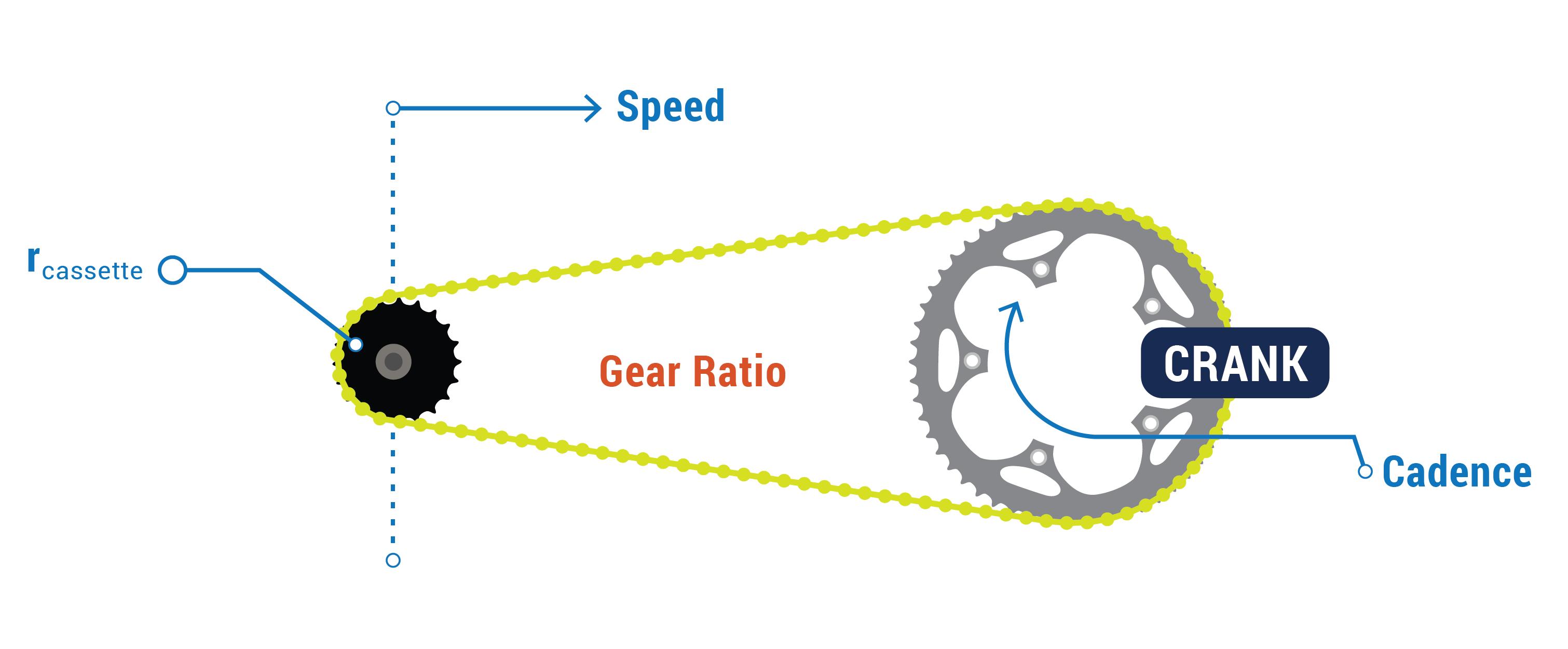
🚲 Sprocket Size and Speed Calculator (Bicycles & Mini Bikes)
While this tool is labeled for cars, it works perfectly as a bike gear calculator speed tool or mini bike gearing calculator.
- Transmission Ratio: Leave this set to
1.00. - Rear Axle Ratio: Divide the teeth on your rear wheel sprocket by the teeth on your front pedal sprocket. For example, a 50-tooth front and 25-tooth rear equals a ratio of
2.00. Enter that into the Rear Axle field! - Larger rear sprocket: More torque, less speed.
- Smaller rear sprocket: More speed, less torque.
🏭 Gear Reducer Calculator
In industrial machines, gear reducers are used explicitly to reduce the high speed of an electric motor and multiply it into massive usable torque to drive heavy machinery.
❓ Frequently Asked Questions (FAQs)
- What is a gear ratio?
The relationship between two gear rotations, dictating the output of speed and torque. - How do you calculate speed from RPM?
Multiply RPM by Tire Diameter, then divide by the product of (Total Gear Ratio × 336). - What is the best gear ratio for speed?
A numerically lower ratio (e.g., 2.73:1 or 0.8:1 overdrive) yields the highest top speeds. - What is the best gear ratio for torque?
A numerically higher ratio (e.g., 4.10:1) gives massive low-end pulling power. - How to calculate gear ratio from RPM?
Simply divide the Input RPM by the Output RPM.
🚀 Key Takeaways
- ✔️ Gear ratio directly controls the tradeoff between speed and torque.
- ✔️ Total speed depends on three factors: RPM, tire size, and gear ratio.
- ✔️ A lower numerical ratio = higher speed. A higher numerical ratio = more torque.
- ✔️ Always calculate your ratios before modifying your transmission, axles, or sprockets.
Leave a Comment or Ask a Question
Policy: To prevent spam, URLs and website links are strictly prohibited.
Recent Comments
Loading comments...